NICE draft guidance recommends EndoSign® for the earlier detection of esophageal cancer
- First recommendation under the new National HealthTech Access Programme – if confirmed, EndoSign® would be NHS-funded for every eligible patient in England
- Minimally invasive and performed without sedation, the test can be delivered closer to home in GP surgeries and community diagnostic centres
- Freeing up endoscopy capacity, the test can identify Barrett’s oesophagus, the only known precursor to esophageal adenocarcinoma, before cancer develops
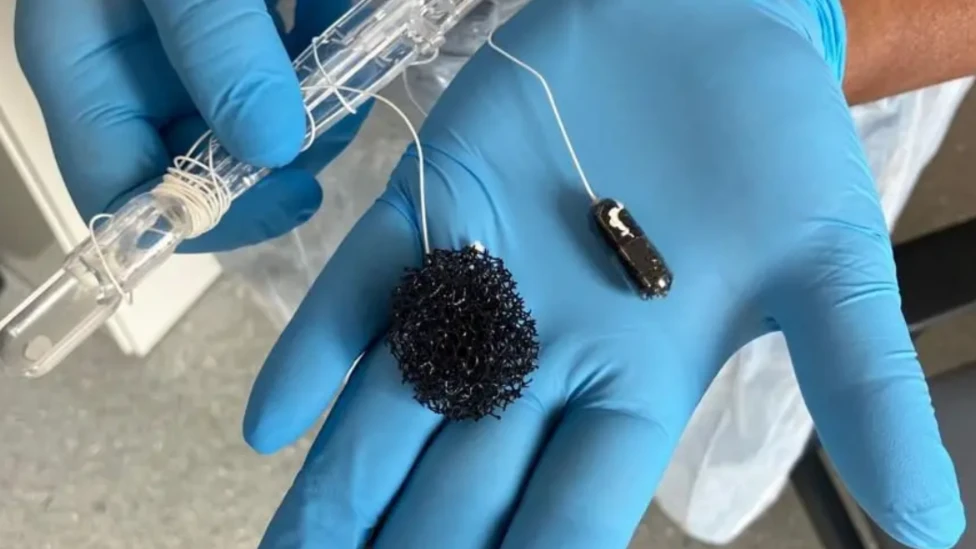
Cyted Health, a leading gastrointestinal molecular diagnostics company, today welcomes draft guidance from the National Institute for Health and Care Excellence (NICE) recommending capsule sponge testing, including its EndoSign® capsule sponge test, for the earlier detection of Barrett’s oesophagus and oesophageal cancer in people with persistent heartburn and acid reflux (gastro-oesophageal reflux disease, GORD).
The test is recommended for patients with persistent GORD and multiple risk factors who do not need an urgent suspected cancer referral, and for monitoring people already diagnosed with Barrett’s oesophagus.
If the recommendation is confirmed, EndoSign® would be NHS-funded and available to every eligible patient in England. This is the first recommendation from the National HealthTech Access Programme, part of the government’s 10 Year Health Plan.
Barrett’s oesophagus, the only known precursor to esophageal adenocarcinoma, affects an estimated 1 to 2% of adults and is significantly underdiagnosed. Oesophageal cancer can be much harder to treat when it is diagnosed at a later stage, making earlier detection particularly important.
“This is a landmark moment for the earlier detection of esophageal cancer in England,” said Marcel Gehrung, CEO and Co-Founder of Cyted Health. “Capsule sponge testing was pioneered in Cambridge and has been proven in the NHS, with more than 45,000 tests already conducted using our diagnostic platform. NICE’s draft recommendation recognises what clinicians and patients have seen first-hand, and we look forward to working with the NHS to make EndoSign® available to every eligible patient, wherever they live.”
Technologies recommended in final guidance, which is expected in February, will be NHS-funded and available consistently across England. NICE’s committee also believes capsule sponge testing could help alleviate pressure on NHS endoscopy services.